

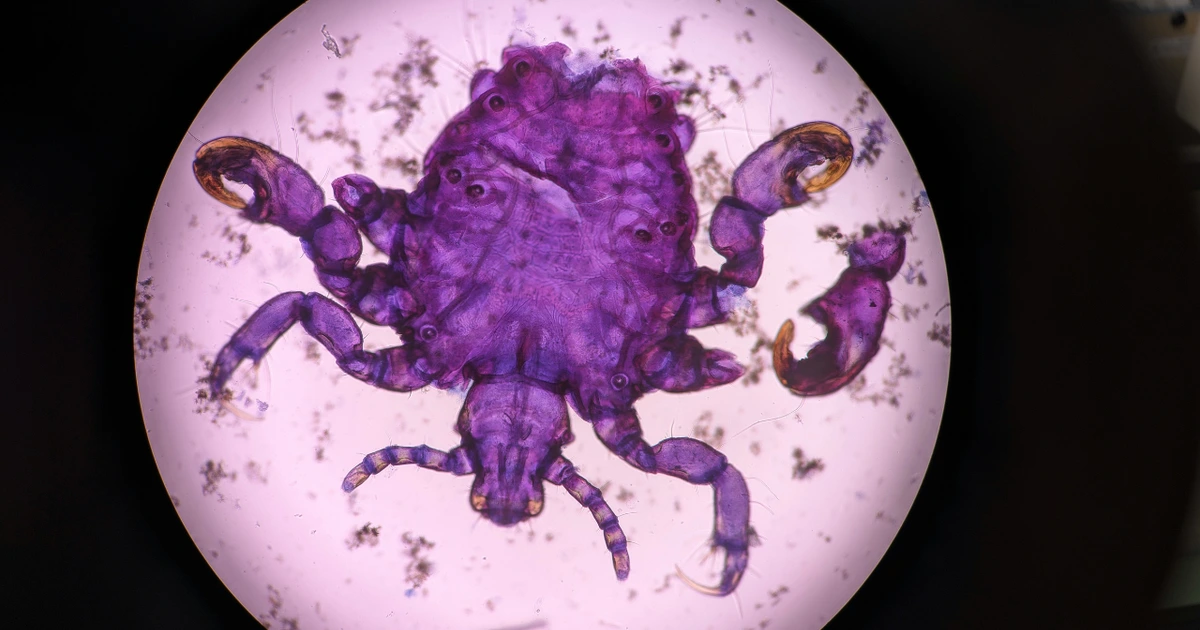
The Centers for Disease Control and Prevention has shared a warning about a New World screwworm outbreak. Federal health officials are tracking the spread of this dangerous pest closely. People who work with animals need to know what this threat means right now.
What is the New World screwworm outbreak?
A New World screwworm is a fly parasite that lays eggs in open wounds on living warm-blooded creatures. When the fly eggs hatch, the tiny larvae feed directly on the living flesh of the host animal. This makes the parasite far more harmful than normal fly maggots that only eat dead tissue. An untreated wound can quickly become dangerous and lead to severe harm.
The CDC is working to keep the public and medical teams informed about the danger. While human cases are rare, they can still happen if flies find an open skin cut. You can read background about this pest threat and the 2026 United States New World Screwworm outbreak to learn how officials fight it. Staying informed helps communities catch cases early.
Why this pest threat matters to farmers and pet owners
Livestock owners and farmers watch out for this insect because it can cause major damage to entire herds. Cattle, sheep, horses, and even family dogs can easily pick up the parasite through tiny scrapes or insect bites. If the problem spreads unchecked, ranchers can lose valuable animals very quickly. That kind of damage can hurt meat supplies and drive up costs for everyone.
Regular checkups for animals are the best way to prevent severe problems from taking hold. Pet owners and livestock managers should keep a few clear steps in mind:
- Check outdoor animals every day for any small cuts or scratches.
- Clean and treat cuts quickly to keep flies from landing there.
- Watch for unusual animal behavior like scratching, biting at skin, or sudden weight loss.
- Call a local veterinarian right away if you notice fly larvae in an open wound.
How health officials are responding to the danger
Government agencies are watching border points, farms, and medical reports to stop the insect from spreading. The CDC works directly with animal health groups to test suspected fly samples and alert local clinics. When health workers spot an outbreak early, they can quarantine affected sites before the fly population expands. Quick teamwork across federal agencies helps keep both people and livestock safe.
Scientists and farm experts use proven tools to track fly movement across wide regions. They set up special traps in key outdoor spots to check which fly species are active. They also teach farm workers and vets how to spot early signs of an infection. Finding the problem fast makes treating it much simpler for everyone involved.
What to watch for in the coming weeks
Over the next few weeks, state farm boards and federal teams will release more testing updates. If new areas show signs of the parasite, officials may expand animal travel checks or suggest extra herd protections. Keeping an eye on regular alerts from health departments will help local communities prepare. Being alert helps stop small problems from turning into wider issues.
Ordinary readers do not need to panic, but good hygiene and wound care remain very helpful. Anyone who travels with pets or farm stock should check their animals carefully before returning home. If you notice any suspicious wound that will not heal, visit a clinic or a veterinarian right away. Fast action is the best defense against any pest outbreak.
